
Electric & hybrid
EV and Hybrid Collision Repair in Wylie
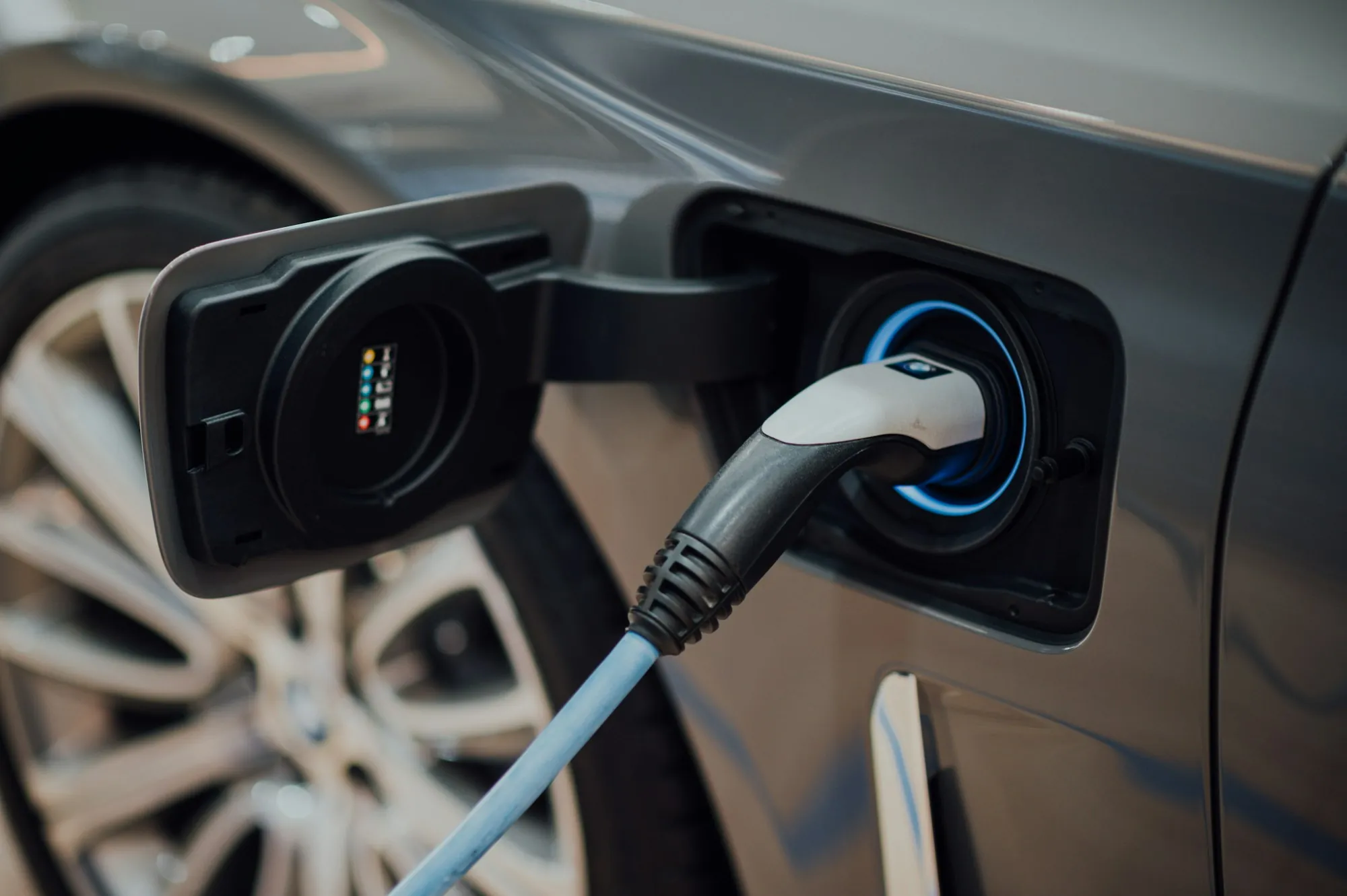
More Wylie driveways have a charging cable than ever before. When one of those cars gets hit, the repair needs a few extra precautions.
Talk to us about your EV — (000) 000-0000How EV and Hybrid Repairs Differ
Electric and hybrid vehicles carry high-voltage battery packs and orange cabling that need to be handled safely during a repair. A collision can also damage cooling lines, battery enclosures or sensors that monitor the pack. At our Wylie shop, EV and hybrid repairs start with the manufacturer's high-voltage procedures: identifying the system, disabling it where required, and checking for damage to the battery area before body work begins. Many of these cars also use aluminum structures and advanced driver-assist systems, so those steps are part of the plan too. Drivers from Wylie, Murphy and Plano bring us EVs after everything from parking scrapes to serious front-end crashes. We'll explain how we'll handle yours. The goal is simple: a car that looks right, drives right, charges normally and shows no warnings on the dash when you take it home. That takes a few more steps than a gas car, and we'd rather explain them than skip them.
What Our EV and Hybrid Repair Includes
Here's what we add to a standard collision repair when the car is electric or hybrid.
High-voltage system identification
We identify the battery, cabling and disconnect points using the manufacturer's information.
Safe power-down
When the procedures require it, the high-voltage system is disabled and verified before work begins.
Battery-area inspection
The underbody, battery enclosure and mounts are inspected for impact damage.
Cooling system checks
Battery and electronics cooling lines are checked for leaks or damage after a crash.
Structural repair
Many EVs use aluminum or mixed materials, repaired with the appropriate tools and joining methods.
Body and paint
Panels are repaired or replaced and refinished to match, like any other collision repair.
System scans
Pre- and post-repair scans check the battery management, charging and driver-assist systems.
Power-up and verification
The high-voltage system is restored and tested, and charging is confirmed before delivery.
How We Repair an EV or Hybrid
- 1
Assess and plan
We inspect the damage and scan the vehicle's modules. The manufacturer's procedures tell us whether the high-voltage system needs to be disabled and what parts must be checked. You get an estimate that explains these extra steps. The insurer gets the same documentation.
- 2
Make it safe, then repair
High-voltage precautions come first. Then structure, panels and paint are repaired just like a gas vehicle, with attention to aluminum parts and sensors. Battery-related parts are inspected or replaced as needed. We keep you updated throughout.
- 3
Restore and test
The high-voltage system is restored and verified. Final scans, calibrations and a charging test confirm everything works. We walk you through the car at pickup.
Why EV Owners Choose Us
Safety-first procedures
High-voltage steps are followed every time, protecting our technicians and your car.
Battery area checked
We look for damage around the pack instead of assuming it's fine.
Explained in plain terms
We'll tell you what the extra steps are for, so the estimate makes sense.
Got an EV or Hybrid That Needs Body Work?
Even a minor crash can affect the parts that protect the battery. Call and describe what happened, and we'll explain the repair.
Get your EV repair estimate — (000) 000-0000