
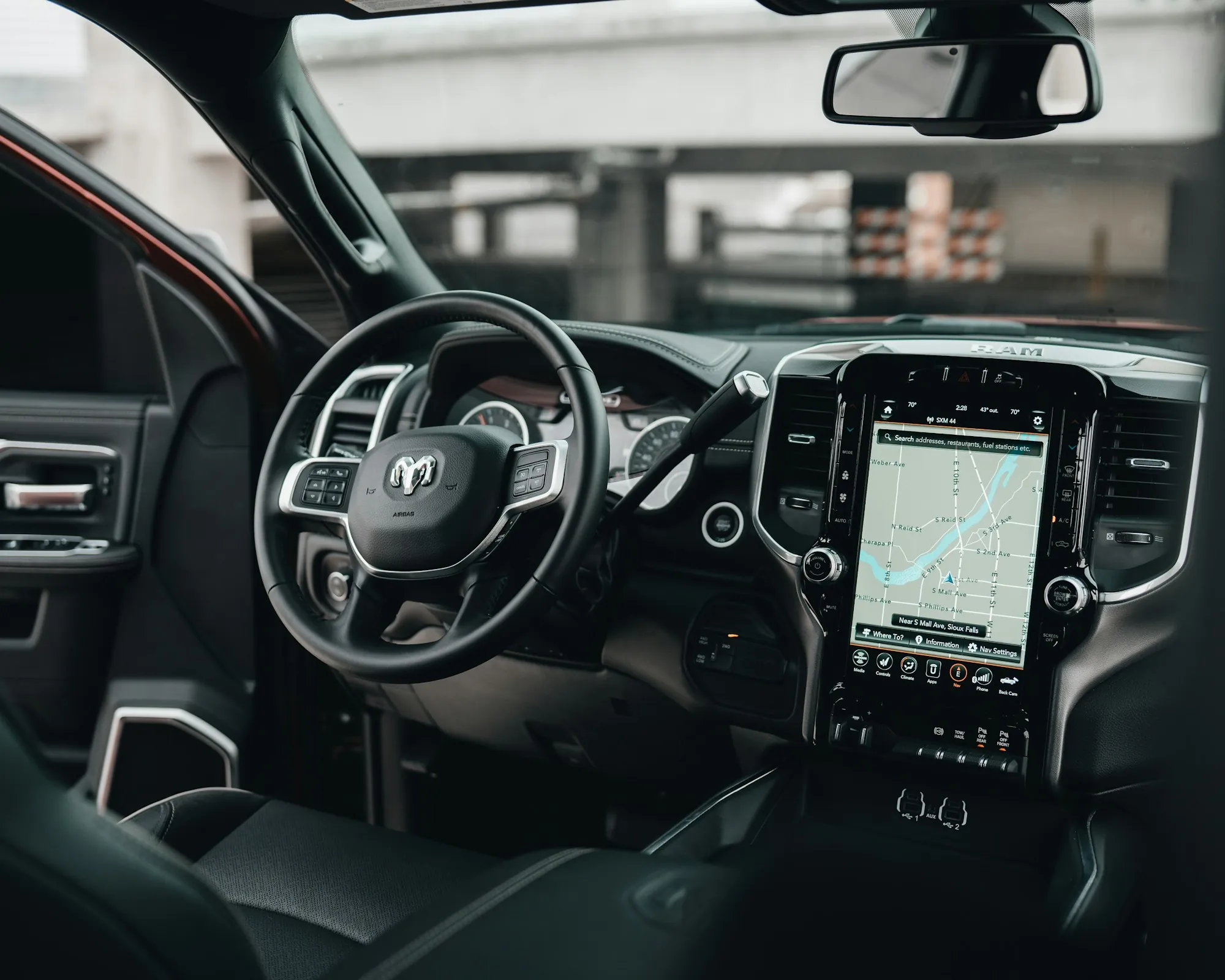
Driver-assist systems
ADAS Calibration in Wylie for Cameras, Radar and Sensors
After a windshield swap, a bumper repair or an alignment, the cameras and radar that help you on the PGBT may be aiming a little off.
Ask what your car's sensors need — (000) 000-0000Why Driver-Assist Systems Need Attention After a Repair
ADAS stands for advanced driver assistance systems: the cameras, radar units and sensors behind features like lane-keep assist, blind-spot warning, adaptive cruise control and automatic braking. These parts are mounted in exact positions behind the windshield, in the grille, in the bumper and in the mirrors. A repair that moves any of those mounting points, even slightly, can make the system misjudge where lanes and other cars are. Our Wylie shop scans every collision repair before and after the work and recalibrates the systems the manufacturer says need it. Drivers often come to us when a warning light appeared after a fender bender or a new windshield. You'll get a report showing what was checked and calibrated.
What Our ADAS Calibration Includes
Calibration is precise and depends on the vehicle. These are the pieces we handle.
Pre-repair diagnostic scan
We read every module for fault codes before work begins, catching damage the crash caused electronically.
Procedure research
The manufacturer's repair information tells us which systems need calibration after the work being done.
Forward camera calibration
Windshield-mounted cameras are calibrated with targets placed at measured distances in front of the car.
Radar calibration
Front and rear radar units used for cruise and collision warning are aimed and calibrated to spec.
Blind-spot sensor checks
Side and rear sensors are tested and calibrated after bumper or quarter panel repair.
Surround-view cameras
Cameras in mirrors, grilles and tailgates are calibrated so the overhead view stitches together properly.
Alignment verification
Wheel alignment is confirmed first, because calibration depends on the car's thrust angle.
Post-repair scan and report
A final scan confirms no faults remain, and you get documentation of what was done.
How We Calibrate Driver-Assist Systems
- 1
Scan and research
We scan the car when it arrives and save the results. Then we look up the manufacturer's calibration requirements for this repair. Some systems need a static calibration in the shop, others need a dynamic one on the road, and some need both. We explain which ones apply to your car.
- 2
Set up and calibrate
The car is positioned on a level floor and aligned, and targets are placed at the distances the manufacturer specifies. Scan tools guide the calibration step by step. Dynamic calibrations are completed with a road drive at set speeds. Most calibrations take an hour or two.
- 3
Verify and document
A final scan confirms the systems are calibrated and fault-free. We test the features on the road where possible. You get a printout of what was scanned and calibrated for your records and your insurer.
Why Trust Us With Your Car's Safety Systems
Scans on every repair
We don't wait for a warning light. Scanning before and after catches problems you'd never see.
Plain-language explanations
We'll tell you which systems your car has and what each calibration does, without the acronyms.
Documented results
A calibration report shows the work was done, which matters for safety and for resale.
Seeing a Warning Light Since the Repair?
A misaligned camera can nudge the steering wheel at the wrong moment. Call and tell us what the dash is showing, and we'll explain the fix.
Book a sensor check by phone — (000) 000-0000